Pantograph
What is it
A pantograph is the roof‑mounted, sprung-metal framework on an electric train that collects high‑voltage power from the overhead line via a sliding carbon contact strip. Modern UK trains almost all use a single‑arm ‘Z‑shaped’ pantograph rather than older diamond frames, similar to designs used on high‑speed fleets overseas such as TGV and ICE.
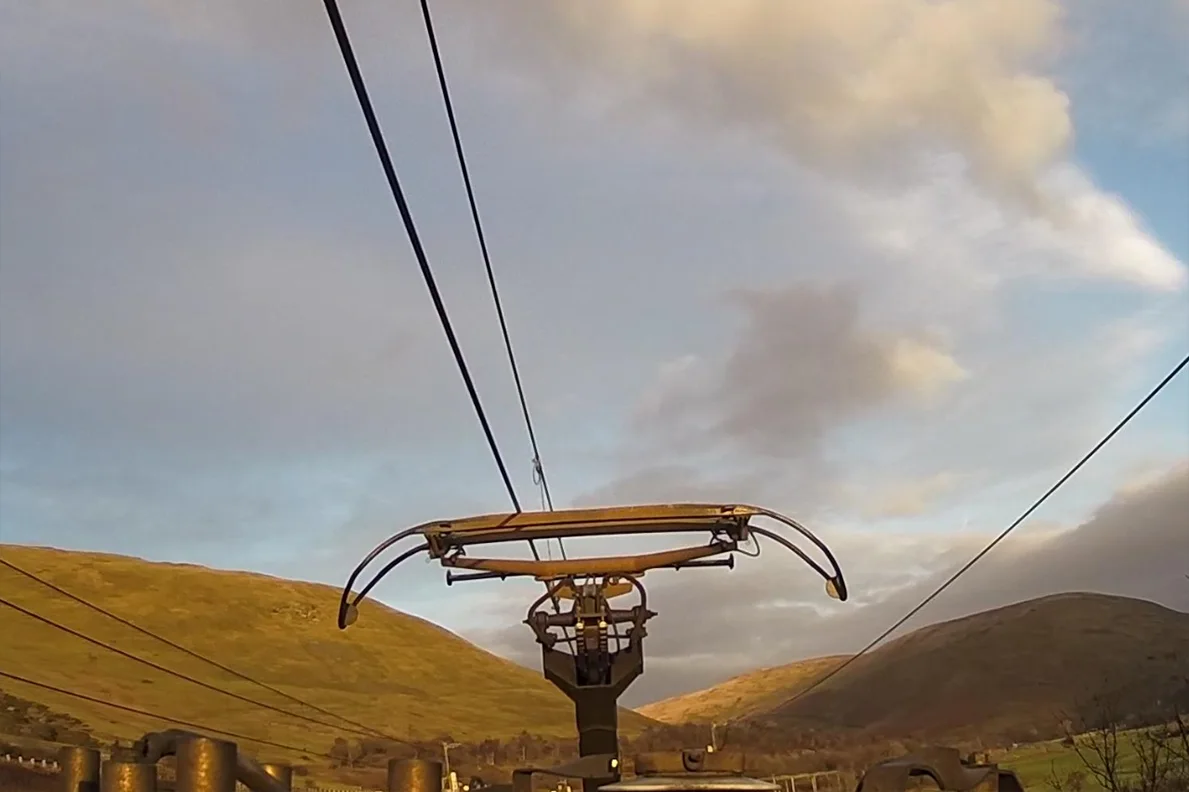
A roof-mounted Pantograph collects electricity from overhead cables, captured by AIVR.
Why it matters
On electrified railways, reliable pantographs are essential for safe, continuous power at up to 25 kV AC on UK main lines, directly affecting timetable resilience and performance.
Poor interaction can damage both overhead line and train, so designs and maintenance focus on minimising wear, arcing and the risk of de-wirement.
Where it is used
Widely used on UK electrified routes such as the West Coast, East Coast and Great Western Main Lines on EMUs, bi‑modes and high‑speed sets.
Globally, pantographs equip most overhead‑electrified railways and light rail systems, including European high‑speed networks and many Asian metros.
Pantographs require continuous monitoring and maintenance to manage wear. Digital inspection systems such as AIVR OLE use video and geometry to monitor pantograph condition and identify mechanical defects for proactive maintenance.
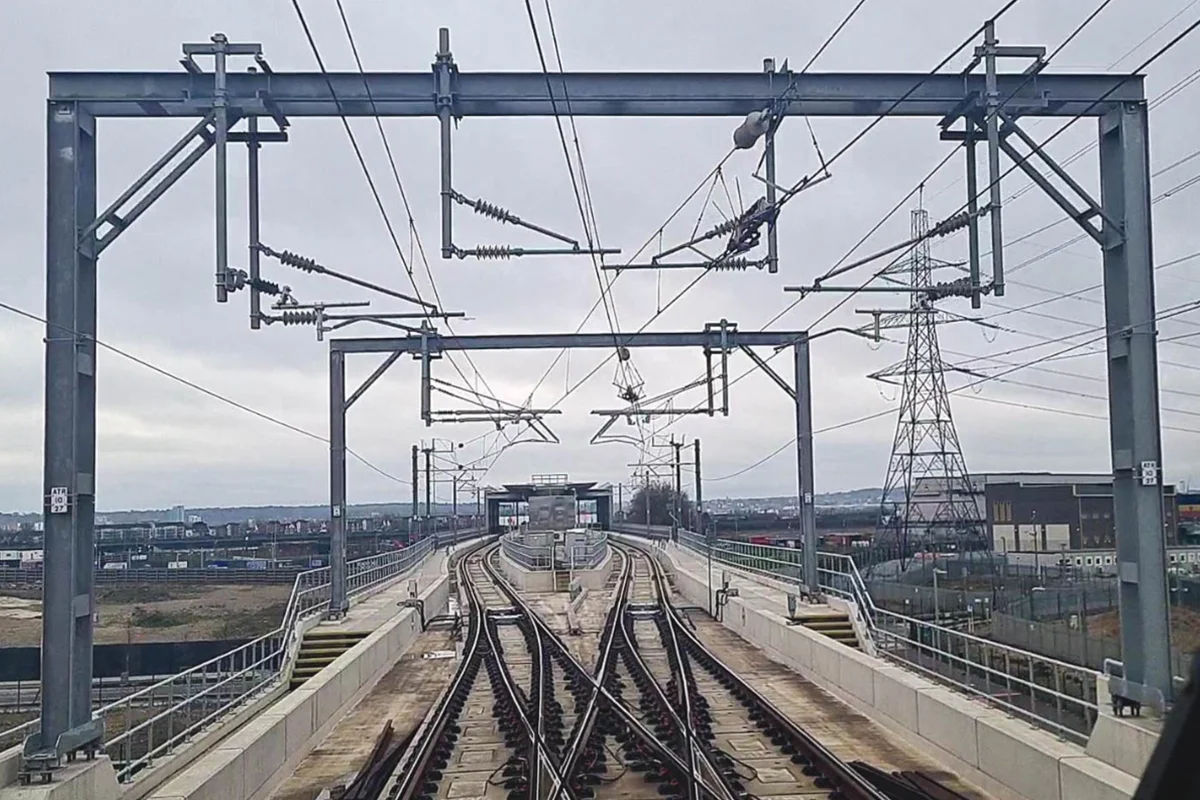
Most of the electrified sections of the UK network rely on Overhead Line Equipment. Captured by AIVR.
Who uses it
UK passenger TOCs and freight operators running electric or bi‑mode fleets rely on pantographs for primary traction power.
Infrastructure managers and rolling‑stock engineers specify, monitor and maintain pantographs as part of the overall OLE system.
How it works
Springs or pneumatic actuators raise the arm so the carbon strips press on the wire with controlled force despite speed, wind and wire-height variation.
As the train moves, the head slides along the contact wire, transferring power; protection such as automatic dropping devices lower the pan if abnormal loads or faults are detected.