18/06/2026
Comprehensive Conductor Rail Inspection: Day 4 of Rail Safety Week 2026

Why Conductor Rail is a Safety Challenge
Day 4 of Rail Safety Week, and we’re focusing on the conductor rail.
The third-rail system powers thousands of train journeys every day across the Southern network. Installed alongside the running rails, the conductor rail and its associated electrical components must maintain consistent electrical contact and integrity across hundreds of miles of track, in all weathers, around the clock.
When a part of the electrification system starts to deteriorate, it can be incredibly challenging to identify, yet consequences can be severe. A hook switch beginning to burn; A corroded fishplate joint; a connection starting to overheat. These are gradual, hard-to-see processes, developing beneath the surface and increasing the risk of service-affecting failures. If allowed to continue worsening, failures occur, leading to trains being forced to stop running with services interrupted.
The safety risk extends beyond service disruption. The conductor rail carries 750 DC – a live electrical hazard to anyone working on or near the track. Reducing the need for routine manual inspection is a direct safety benefit for the workers whose job it is to keep the system running.
How Virtual Conductor Rail Inspection is Increasing Safety
A variety of AIVR camera systems installed on in-service trains now make it possible to monitor conductor rail infrastructure at high frequency, capturing data during normal passenger service. Imagery and temperature data is automatically captured and transmitted to the AIVR Platform, made available for online review and automated analysis to support engineering teams in identifying emerging risks to intervene and take action.
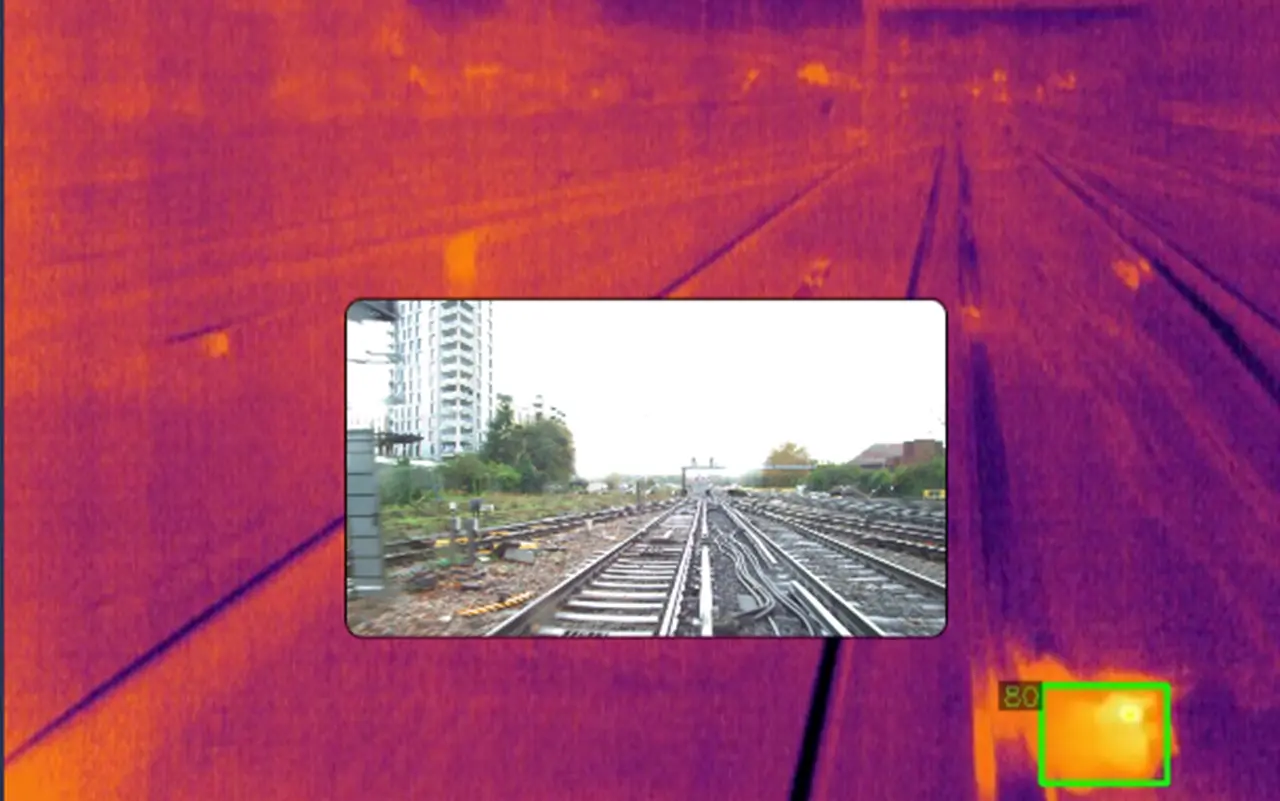
The AIVR Platform displays side-by-side thermal and visible footage, enabling engineers to identify and assess infrastructure issues remotely.
Three complementary camera systems work together to deliver a comprehensive picture of conductor rail condition. Visible line-scanning cameras capture high-resolution imagery of the conductor rail and its associated components from the underside of the train. Thermal cameras capture thermographic imagery of the electrical infrastructure, with both streams automatically aligned and made available for simultaneous review on the AIVR Platform. Shoe cam cameras, also installed to the underbody and targeted at the conductor shoe, provide a further perspective – monitoring the interaction between shoe and rail in real time, with automatic detection of electrical arcing events.
All systems transmit data automatically via 4G/5G networks, with imagery accessible in near real-time on the AIVR Platform.
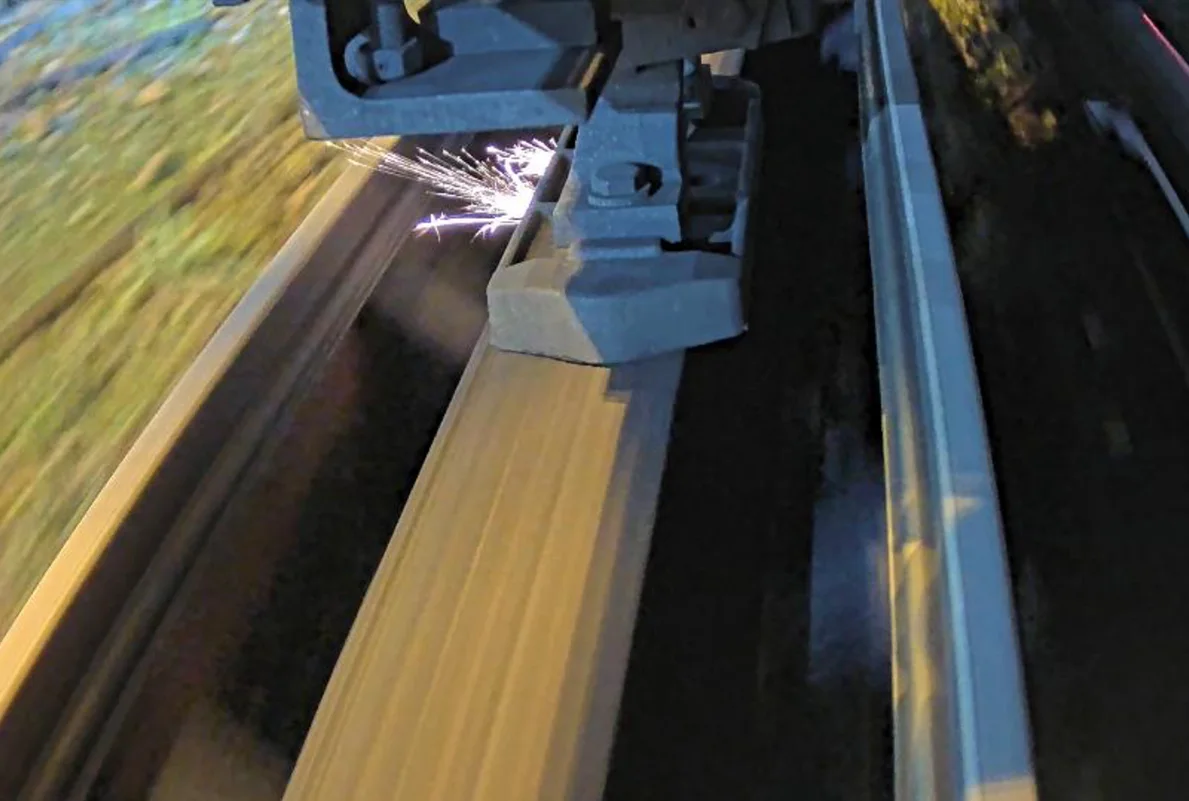
AIVR Shoe camera positioned underneath the train to monitor the critical interaction between shoe gear and third rail.
For conductor rail engineers, the ability to carry out detailed inspections remotely is a direct safety benefit. Rather than attending the site to assess the condition of live third rail infrastructure, engineers can review high-resolution imagery, navigate asset by asset through each conductor rail section, annotate findings, take precise measurements, and share evidence with colleagues – all from a desk. The need for routine manual inspection near 750 volts DC is significantly reduced, and the insight available to maintenance teams is more comprehensive and more frequently updated than traditional patrol-based approaches can deliver.
Capabilities Across The Conductor Rail Network
Critical Defect Detection
AIVR’s Machine Learning models support the identification of potential conductor rail system issues automatically, providing engineering teams with the critical information they need to ensure the conductor rail continues to be safely operated. The system is capable of detecting issues including overheating assets identified via thermal imaging; visible contamination on the conductor railhead; metal corrosion; and unhealthy fishplates or joints.
Automated email alerts are triggered when temperatures exceed configured thresholds, including the temperature reading, precise location, and time of detection, so maintenance teams can respond immediately with the information they need.
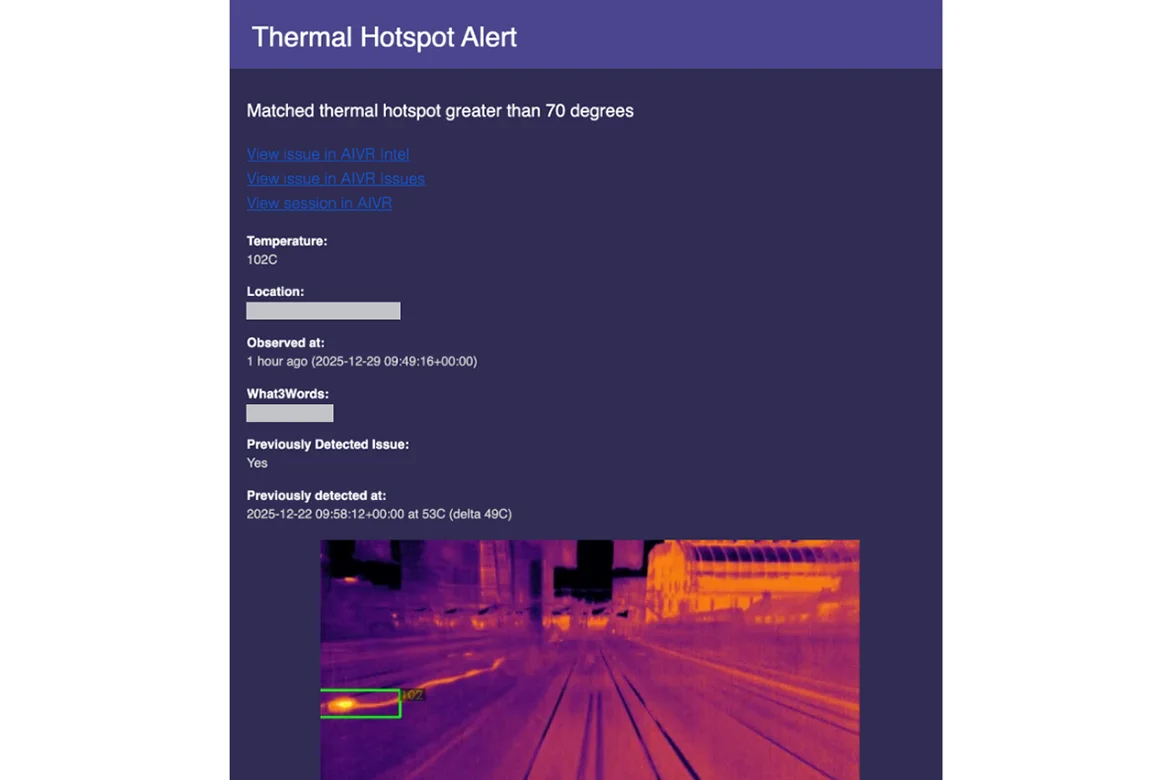
Automated thermal hotspot alert from the AIVR Platform – triggered when temperatures exceed configured thresholds, delivered directly to engineering teams.
Conductor Rail Component Condition Monitoring
Automated detections assist in identifying and monitoring fishplates, ramps, jointed rail ends, insulator pots, insulator bases, welds, cabling, anchors, guard boards, lug bolts, and shrouding. Joint condition assessment detects corroding joints and measures joint gaps. Ramp end assessment monitors gaps between ramp ends and the final insulator pot, to track creep – a developing issue that, left unaddressed, can cause de-shoe incidents and electrical failures. Asset-by-asset navigation allows engineers to work through detections systematically, supporting efficient digital patrols.
Together, these detections build a continuously updated picture of conductor rail condition across the route. Rather than relying on periodic manual patrols – which require staff to work in close proximity to the live third rail – engineers can monitor developing deterioration remotely over time, identifying issues before they cause failures or put anyone at risk. That shift from reactive to proactive is where the real safety benefit lies.
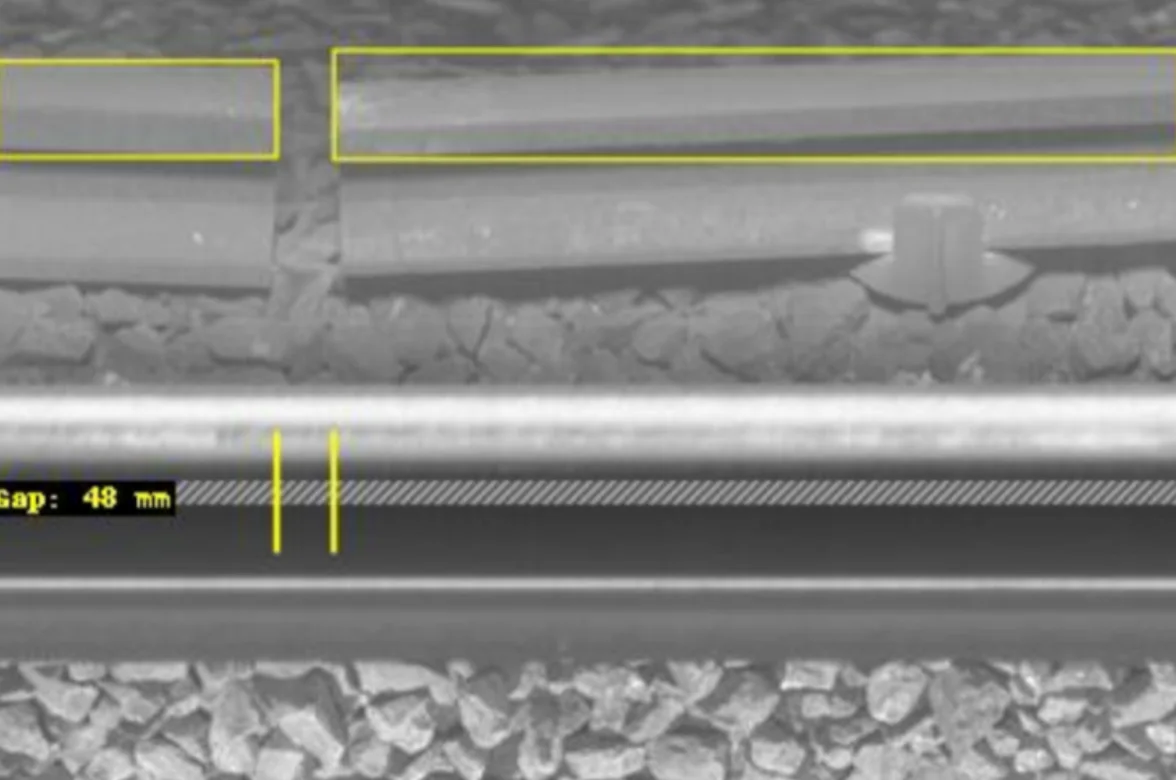
Conductor rail ramp end gap measurement on the AIVR Platform – automatically tracking creep over time to identify developing issues before they cause incidents.
Contamination and Debris Detection
Conductor rail condition monitoring identifies contamination, corrosion, and debris along the rail, supporting proactive maintenance planning and reducing the risk of de-shoe incidents and electrical faults caused by foreign material on the conductor rail surface.
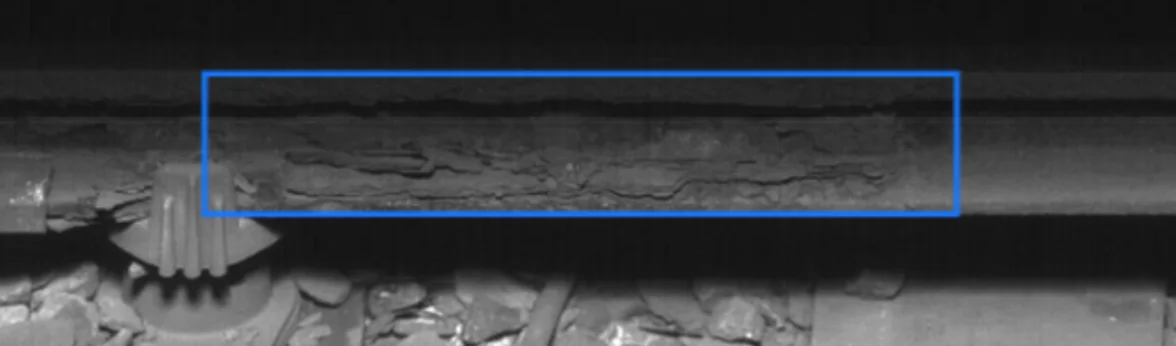
Conductor rail corrosion automatically detected on the AIVR Platform – identified and flagged remotely for targeted maintenance planning.
Preparing for Safer Site Visit
When attendance on or near the conductor rail is necessary, remote inspection reduces the risk before anyone steps near the live third rail environment. Forward-facing video allows teams to review the exact location remotely; familiarising themselves with the site, identifying access points, checking cess boundaries, and reviewing the fault they are attending to. This preparation means the team arriving on site is informed, focused, and clear on the risks they face.
All findings are exportable as imagery, PDF reports, video, and CSV, shared directly with maintenance teams and infrastructure owners for rapid, targeted response.
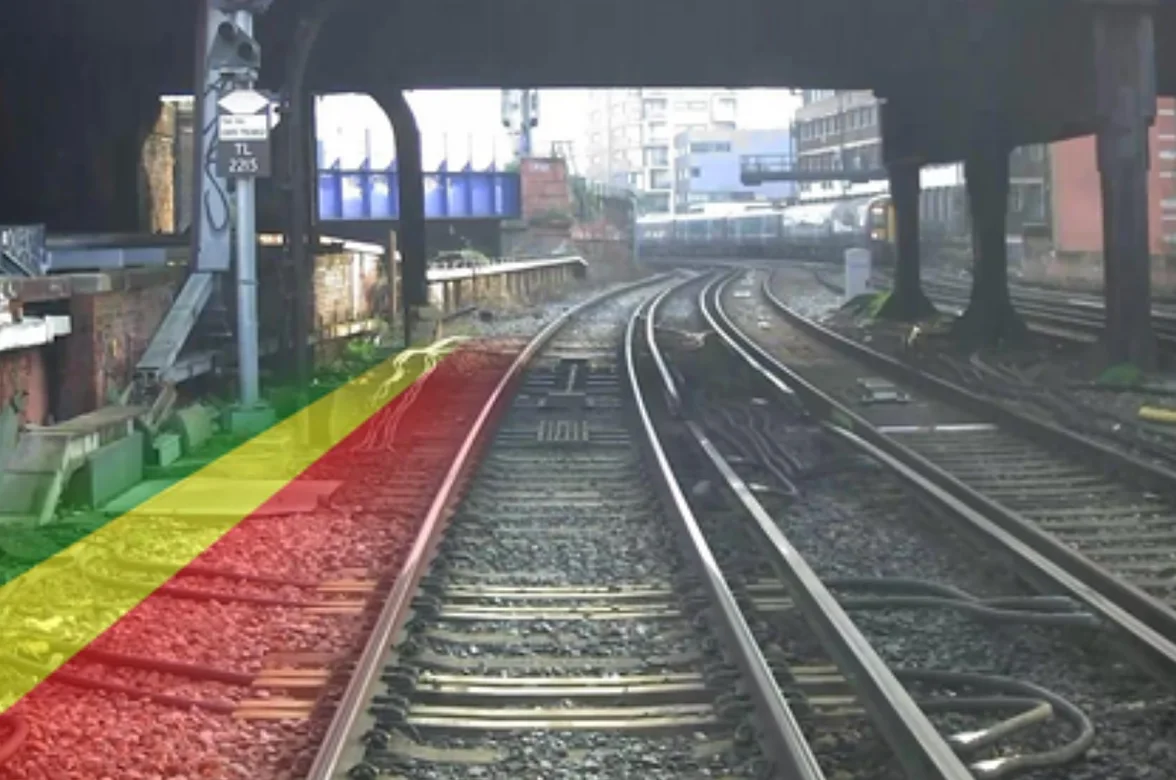
Safe cess monitoring on the AIVR Platform – forward-facing video with cess overlay supporting remote hazard assessment and safe working area verification.
The result is fewer workers exposed to the live third rail environment for routine inspection, more of the network monitored more frequently, and a maintenance approach that identifies developing faults before they become failures.