Continuous Welded Rail (CWR)
What is it
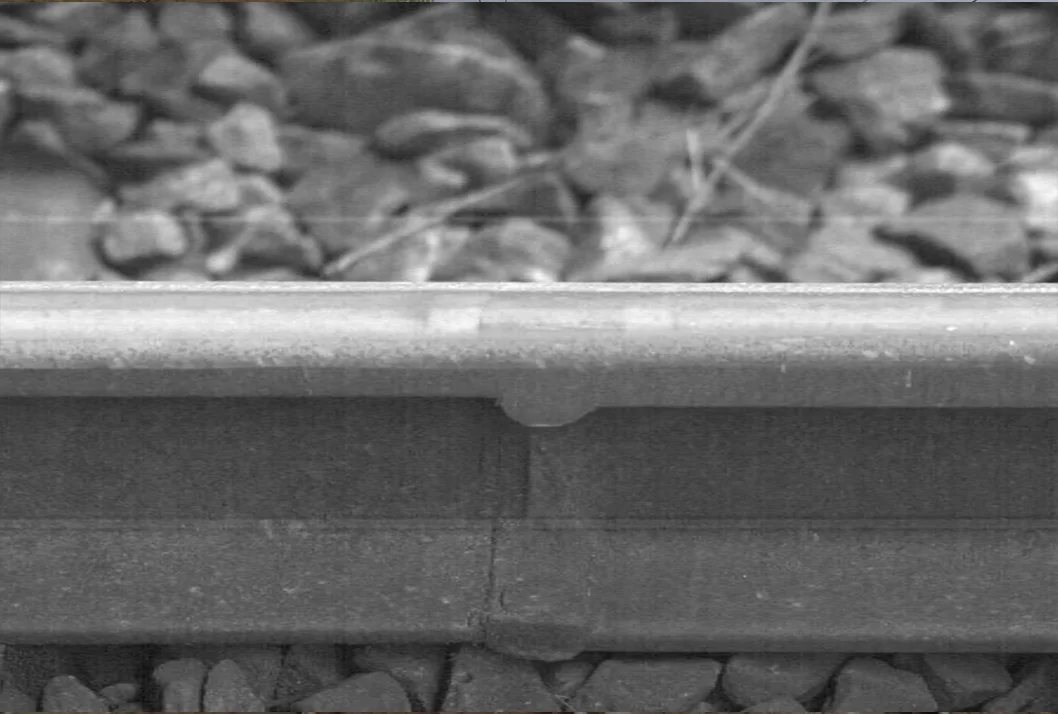
Continuous welded rail (CWR) is track in which many standard rail lengths are welded together to form very long, almost joint‑free strings, rather than being joined with fishplates and expansion gaps every few tens of metres. The welds are ground so the running surface is effectively continuous, eliminating the classic ‘clickety‑clack’ of jointed track.
Why it matters
CWR greatly reduces dynamic impact at joints, cutting rail‑end batter (deformation of the rail end through wear), sleeper damage, ballast degradation and associated maintenance costs. It improves ride quality, reduces noise and allows higher and more consistent operating speeds, which is critical for modern high‑axle‑load and high‑speed operations.
However, because thermal expansion is restrained, CWR introduces risk of buckling in heat and rail fractures in cold if design, stressing and maintenance are inadequate. It demands high‑quality ballast, sleepers, fastenings and disciplined stress‑management procedures, so installation and management are more technically demanding than for jointed track.
Where it is used
CWR is now the standard form of main‑line track on most heavy‑rail networks worldwide, including Europe, North America and high‑speed corridors in countries such as China and Japan. It is also widely used on metros and modern light rail, with jointed track largely relegated to low‑speed sidings, points (turnouts) and special locations.
In the UK, CWR has replaced almost all jointed bullhead and flat‑bottom track on main lines, with remaining jointed sections mainly in secondary routes, yards, and at transition or adjustment areas. UK practice applies defined stress‑free temperatures and detailed standards for CWR installation, stressing and maintenance on Network Rail infrastructure.
When: key dates
Experiments with longer welded lengths began in the first half of the 20th century, and CWR became widespread internationally after the 1950s as welding technology, sleepers and ballast improved. By the late 20th century, CWR had become the dominant form of track construction on most major railways worldwide.
In Britain, welded track appeared in trials before and after the Second World War, with large‑scale adoption of long‑welded and then continuous welded rail accelerating from the 1950s and 1960s on main routes. Today, UK accident and engineering reports treat CWR as the normal track form on principal lines.
How it works
CWR relies on restraining thermal movement so the rail behaves as a continuous beam, with temperature‑induced forces shared into sleepers, fastenings and ballast. Rails are stressed to a defined stress‑free temperature (SFT), so at typical service temperatures they are in controlled tension or compression but remain within safe limits.
Standard lengths are flash‑butt or thermite-welded into long strings, installed on well‑compacted ballast with robust fastenings, then stressed, locked and monitored over time. At intervals, breather/expansion devices (such as Adjustment Switches) and transition zones are provided so that thermal movements can be accommodated at the ends of CWR sections and near special trackwork without overstressing the rail.